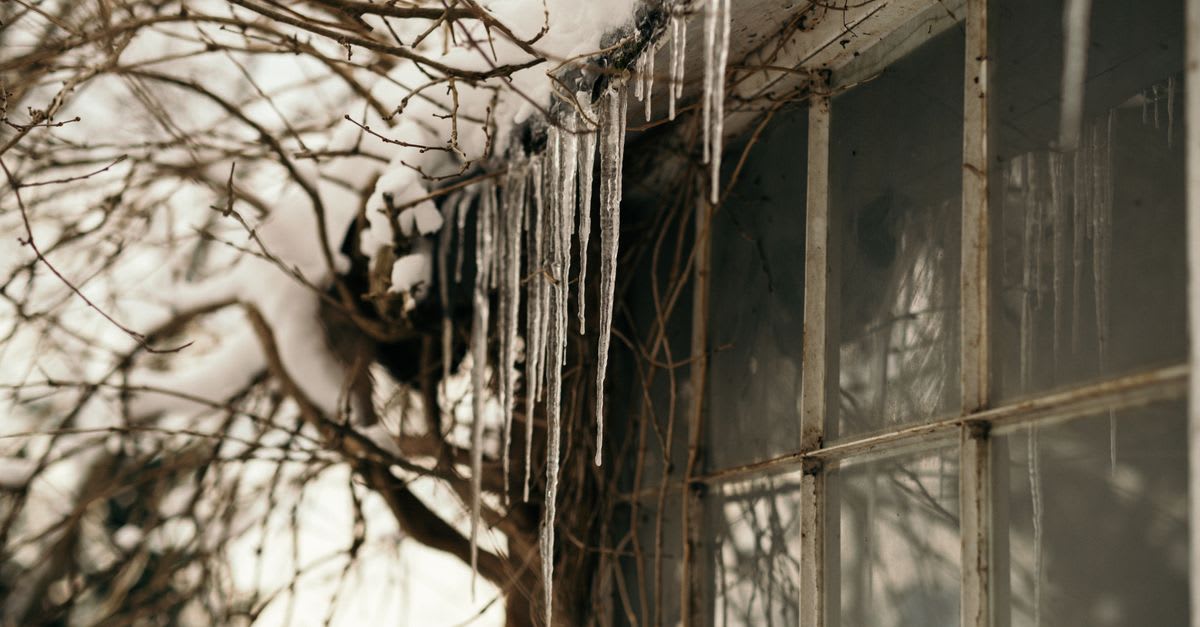


Chicago winters are hard on windows. Wind off the lake. Sub-zero nights. Ice on the glass by morning. If your rooms feel drafty and your heating bills keep climbing, your windows are usually the culprit.
Here’s the good news. The right windows can fix all of it. We’ve installed thousands of them across Chicago since 2010, so we know exactly what holds up here.
This guide walks you through the specs, materials, and styles that actually matter for cold weather. Here’s what we cover in our search for the best windows for cold climates:
The Best Replacement Windows and Doors at the Best Price
We’re the #1 Reviewed Door and Window Installation Service in Chicago for a reason. We know how to help.
Request a QuoteWhy Chicago Winters Demand Climate-Specific Windows
Old, drafty windows don’t just feel cold. They cost you money every single winter. Heat escapes through the glass and around failing seals, so your furnace runs harder to keep up.
How much are we talking? The U.S. Department of Energy estimates that heat gain and loss through windows account for 25%-30% of residential heating and cooling energy use. In a heating-dominated climate like ours, that loss shows up on your bill from October through April.
Chicago sits in IECC Climate Zone 5, a cold, heating-driven zone. That single fact should shape every window decision you make. But here’s the part most guides skip: not all energy-efficient windows perform the same in extreme cold. For real energy efficiency, here’s what actually matters.
Before you compare brands, it helps to understand our window installation services and how the right specs get matched to your home.
What type of windows are best for Chicago weather?
The best windows for Chicago are double- or triple-pane with a low U-factor (0.22 or lower), a cold-climate low-e coating, and argon gas fill. Pair them with a fiberglass or composite frame and a tight-sealing style like casement for the best cold-weather performance.
The Cold-Climate Performance Ratings That Actually Matter
Every certified window carries an NFRC label, the sticker from the National Fenestration Rating Council. It’s your cheat sheet. Three numbers matter most in a cold climate.
Learn to read the sticker, and you’ll never get talked into the wrong window. The NFRC label reports U-factor, solar heat gain coefficient, and air leakage. We’ll break down all three below.
U-Factor Windows: What Rating Do You Need for Cold Weather?
U-factor measures how well a window keeps heat inside. Lower is better. A low U-factor means less of your furnace’s warmth leaks out through the glass, which helps cut heat loss all winter.
Per ENERGY STAR, U-factor values generally range from 0.25 to 1.25. The lower the number, the better the window insulates.
For the Northern zone that includes Chicago, ENERGY STAR Version 7.0 requires a U-factor of 0.22 or less for windows.
In cold climates, put U-factor above everything else. It’s the number that most directly protects your comfort and your bill.

Low-E Windows and Coatings for Winter Performance
Low-E stands for low-emissivity. It’s a microscopically thin coating on the glass that reflects heat. In winter, cold-climate low-e coatings bounce your indoor warmth back into the room instead of letting it escape.
Not all coatings are equal. A coating tuned for a hot climate blocks the sun to keep homes cool. A cold-climate coating does the opposite: it holds heat in while still letting some winter sun through.
In fact, low-e coatings are now required across all climate zones under the latest ENERGY STAR standard. Just make sure yours is built for the north.
Argon-Filled Windows and Gas Fills Explained
Between the panes of glass, better windows are sealed with an invisible gas, usually argon, sometimes krypton. These gases are denser than air. That density slows heat from conducting across the space between panes.
Argon-filled windows work best when paired with double- or triple-pane glass. The glass panes trap the gas, the gas slows the heat transfer, and the result is a window that keeps cold air out and warm air in. For Chicago homes, argon plus low-e is a smart baseline.
How do energy-efficient windows help reduce heating bills?
They slow heat loss through the glass and around the frame, so your furnace runs less to hold the same temperature. A low U-factor, cold-climate low-e coating, and argon fill work together to keep warm air inside.
Double vs. Triple Pane Windows for Cold Climate Performance
Pane count matters more here than in most places. Each pane adds an insulating air (or gas) layer between you and the cold.
Double-pane: Two panes with a sealed gas fill. A big jump over single-pane, and a solid choice for most Chicago homes.
Triple-pane: Three panes and two gas-filled spaces. Better insulation, better condensation resistance, and noticeably quieter rooms.
Triple-pane glass is the higher-performance option in extreme cold. In fact, in the Northern zone, triple-pane is often the simplest path to meeting the toughest U-factor requirements. Whether the upgrade is right for your home depends on a few factors.
New to pane counts? See how double-pane windows compare to single-pane and explore the benefits of double-pane windows.
Best Frame Materials for Cold Climate Windows
The frame matters as much as the glass. In freeze-thaw cycles, materials expand and contract, and the wrong frame material warps, cracks, or loosens its seal. Here are the top cold-climate frame materials, ranked.
Fiberglass is the top performer for extreme cold. It barely expands or contracts, holds its seal, and needs little maintenance.
Composite is nearly as stable as fiberglass. Strong thermal performance and highly durable through Chicago winters.
Vinyl is a budget-friendly, energy-efficient option. Good insulation, low maintenance, but more prone to expansion than fiberglass.
Wood-clad is warm, classic, and naturally insulating. Needs more upkeep and careful sealing to survive freeze-thaw.
For most Chicago homes facing real winter, fiberglass and composite frames lead the pack. Vinyl frames remain a popular, practical choice when value matters most.
Why Frame Material Affects Seal Integrity in Winter
Here’s the piece buyers overlook. When temperatures swing, frame materials move. A frame that expands and contracts too much stresses the seal, and a broken seal means drafts, fogging between panes, and lost insulation.
Frame stability isn’t a side detail. A great pane of glass in an unstable frame still fails. Choose a frame material that stays put in the cold, and your seal stays tight for the life of the window.
What is the cheapest time of year to replace windows?
Timing is more about scheduling than season. Fall and winter tend to be slower for installers, so appointments are easier to book and you’re locked in before the deepest cold. Spring and summer book up fast. For pricing, reach out for a free, personalized quote. We don’t do guesswork.
Best Window Styles for Cold Climate Air Sealing
Most buyers focus on glass and forget the window style. But how a window opens directly affects how much air leaks through it. Air leakage matters. Windows rated higher than 0.3 in air leakage don’t even qualify for ENERGY STAR.
Here’s how each window type ranks for cold-weather sealing. If you’re still weighing your options, our guide to the common types of windows and how to choose the right style breaks down each one in detail:
Picture windows: fixed, no moving parts, so no operable seal to leak.
Casement and awning windows: compression seal. The tightest operable option.
Double-hung windows and sliders: friction seal. More convenient, but more prone to drafts over time.
Casement and Awning Windows for Maximum Cold-Weather Seal
Casement windows crank outward and press tightly against the frame when closed, creating a compression seal. Awning windows work the same way, hinged at the top. That compression is what makes them so good against wind-driven cold.
Compare that to a sliding window, where the sash glides against weatherstripping that wears down over time. In a Chicago winter, that tight compression seal is a real advantage.
Picture and Bay/Bow Windows: Fixed-Frame Efficiency
A fixed window has no operable seal to fail, nothing to wear out, nothing to leak. That makes picture windows naturally efficient and perfect for rooms where you want natural light and a view but don’t need to open the window.
Bay and bow windows can combine fixed picture glass with operable casements on the sides, giving you efficiency and airflow together.
Cold Climate Window Performance at a Glance
Here’s the reference table. Use it to check any window against Chicago’s Zone 5 winters.
Factor | Why It Matters in Cold Climates | What to Look For |
|---|---|---|
U-Factor | Measures heat loss, the #1 cold-climate metric | 0.22 or lower (Northern zone target) |
SHGC | Lets in some free winter sun to offset heating | Balanced, not too low (min. 0.17 in Northern zone) |
Air Leakage | Controls drafts around the window | 0.3 or lower (the ENERGY STAR cutoff); lower is better |
Frame Material | Stays sealed through freeze-thaw cycles | Fiberglass or composite (vinyl for value) |
Glazing / Pane Count | More panes means more insulation | Double-pane minimum; triple for max performance |
Gas Fill | Slows heat transfer between panes | Argon (or krypton) fill |
On SHGC: In the Northern zone, ENERGY STAR now requires an SHGC of 0.17 or greater so windows can capture free winter sun.
How to Choose the Best Windows for Your Climate
Feeling overwhelmed? Don’t be. Choosing the right window comes down to a simple sequence any homeowner can follow. Follow it in order.
Confirm your climate zone. Chicago is IECC Zone 5, a cold, heating-driven zone.
Prioritize U-factor. Aim for 0.22 or lower. This protects comfort and your bill the most.
Confirm low-e and gas fill. Look for a cold-climate low-e coating plus argon between the panes.
Pick a stable frame material. Fiberglass or composite for extreme cold; vinyl for value.
Match the style to the room. Casement and awning for tight seals; picture for fixed efficiency.
A professional installer can verify that the ratings on the label match Zone 5 code and your home’s exposure. That’s a big part of our window installation services: matching the right windows for cold climates to the right rooms.
Why is professional installation important for cold climate windows?
Even the best window leaks if it’s installed poorly. A pro sets the frame square, seals and insulates the gaps, and checks that the ratings match your home’s exposure, so the label’s performance is what you get in winter. The answer links to the installation services pillar.
A Quick Note on Southern-Facing Windows in Cold Climates
Here’s a nuance most guides skip. In a cold climate, south-facing windows can actually work for you. With a balanced SHGC, they let in free solar heat gain on sunny winter days. The sun helps warm the room while you still keep heat from escaping at night. It’s a small detail that pays off all winter.
Ready to stop paying to heat the outdoors? We’ll help you pick the right windows for your home and your climate, and make the whole thing easy. Get a free quote and we’ll take it from there.